
Installing Modern AC in Garden District Historic Homes Without Ruining Your Architecture
Garden District homeowners face a critical challenge when adding air conditioning to historic properties. The humid New Orleans climate demands reliable cooling but traditional HVAC installation often destroys irreplaceable architectural features. You need preservation-first solutions that maintain your home’s historic character while delivering modern comfort. Historic District Landmarks Commission.
The New Orleans Building Code Section 1101.6.2 requires special consideration for historic structures when installing mechanical systems. Garden District homes built before 1940 typically feature balloon framing construction with open wall cavities that complicate duct routing. The high water table in this area creates additional challenges for condensate drainage and equipment placement.
Understanding HDLC Requirements for Garden District HVAC
The Historic District Landmarks Commission enforces strict guidelines for exterior modifications in the Garden District. Any visible HVAC equipment must maintain the historic character of your home’s facade. Condenser units require screening or placement in rear courtyards where they remain invisible from public streets.
HDLC regulations specifically address the visibility of mechanical equipment from public rights-of-way. Units visible from St. Charles Avenue, Magazine Street, or any historic district thoroughfare must be screened with materials matching the home’s architectural style. This often means custom wooden enclosures painted to match existing trim or strategic placement behind existing landscaping features.
Interior modifications also face scrutiny. Any work affecting original plaster walls, ceiling medallions, or architectural features requires commission approval. The commission prioritizes preservation of historic materials over modern convenience. Your HVAC contractor must demonstrate how proposed installations protect irreplaceable architectural elements.
High-Velocity HVAC Systems for Plaster Wall Preservation
High-velocity HVAC systems represent the preservation-first solution for Garden District homes. These systems use small flexible ducts measuring just 2-3 inches in diameter that fit within existing wall cavities without destructive cutting. The Unico System and SpacePak represent the two primary manufacturers offering solutions specifically designed for historic renovations.
The technology works through high-pressure air delivery that creates gentle circulation patterns throughout rooms. Small round outlets blend with existing trim work and can be painted to match wall colors. The system operates at sound levels comparable to traditional HVAC while delivering superior dehumidification performance critical for New Orleans’ climate.
Installation requires minimal structural modification. Technicians route flexible ducts through existing chases between floor joists and around architectural features. The small outlet sizes mean you can preserve ceiling medallions and decorative plasterwork. Most installations complete without removing any original building materials.
High-velocity systems excel at humidity control. The continuous air circulation prevents the stagnant conditions that lead to mold growth in historic building materials. Variable-speed operation maintains consistent temperature and humidity levels without the temperature swings common in older homes.
Ductless Mini-Split Solutions for Shotgun and Creole Cottages
Ductless mini-split systems offer another preservation-friendly option for Garden District homes. These systems eliminate the need for any ductwork making them ideal for shotgun houses and Creole cottages where wall space is limited. Indoor units mount on walls or ceilings with minimal structural impact.
The outdoor condenser units require strategic placement to meet HDLC requirements. Rear courtyards side yards or roof-mounted platforms with proper screening provide acceptable locations. The small refrigerant lines run through minimal wall penetrations preserving plaster and cypress siding.
Modern mini-splits feature inverter technology that adjusts cooling capacity based on demand. This variable-speed operation provides superior humidity control compared to traditional systems. The continuous dehumidification prevents the moisture accumulation that damages historic wood and plaster materials.
Zoning capabilities allow different temperature settings for various rooms. This feature proves valuable in Garden District homes where original design created distinct thermal zones. You can maintain cooler temperatures in bedrooms while keeping living areas slightly warmer reducing overall energy consumption.
Preservation-First Installation Process
Successful HVAC installation in historic homes requires a methodical approach that protects irreplaceable architectural elements. The process begins with comprehensive documentation of existing conditions. Technicians photograph all architectural features measure existing chases and identify potential routing paths before any work begins.
Protection of original materials takes priority throughout installation. Technicians cover flooring with protective materials shield plaster walls with temporary barriers and use specialized tools that minimize vibration damage. The goal is zero impact on existing finishes and architectural details.
Custom grilles and vents match existing hardware styles. Brass bronze or painted finishes coordinate with original door hardware and light fixtures. The small outlet sizes mean you can often conceal units within existing architectural elements rather than creating new penetrations.
Testing procedures verify system performance without damaging historic materials. Technicians use non-invasive diagnostic tools to verify airflow check refrigerant levels and confirm proper operation. Any modifications to original systems receive HDLC approval before implementation.
Managing New Orleans Humidity in Historic Structures
New Orleans humidity presents the greatest threat to historic building materials. Wood expands and contracts with moisture changes causing paint failure and structural movement. Plaster absorbs moisture leading to deterioration and potential mold growth. Your HVAC system must address humidity as aggressively as temperature control.
Modern high-velocity systems provide continuous dehumidification that traditional systems cannot match. The constant air circulation prevents moisture accumulation in wall cavities and under flooring. Variable-speed operation maintains relative humidity between 45-55% the optimal range for historic material preservation.
Dehumidification capacity becomes critical during shoulder seasons when cooling demands decrease but humidity remains high. Spring and fall months often require dedicated dehumidification to protect historic materials. Your system must provide this capability without excessive energy consumption.
Ventilation strategies prevent stale air accumulation in historic homes. The tight construction of older buildings can trap moisture and pollutants. Modern systems incorporate fresh air exchange that maintains indoor air quality without compromising energy efficiency.
Energy Efficiency and Tax Credit Opportunities
Energy-efficient HVAC upgrades in historic homes may qualify for federal and state tax incentives. The Energy Efficient Home Improvement Credit provides up to $2000 annually for qualifying improvements. High-efficiency systems meeting SEER2 requirements often qualify for these programs. Federal Energy Efficient Home Improvement Credit.
Louisiana’s state energy programs offer additional incentives for high-efficiency equipment installation. These programs specifically target older homes where energy consumption typically exceeds modern construction standards. Your HVAC contractor can help identify applicable programs and prepare necessary documentation.
Historic preservation tax credits may apply to HVAC upgrades that maintain or restore historic character. The Louisiana State Historic Preservation Office administers these programs for registered historic properties. Upgrades must demonstrate how they preserve architectural integrity while improving energy performance.
Energy modeling helps quantify potential savings from HVAC upgrades. Modern systems can reduce cooling costs by 30-50% compared to original equipment. The modeling considers your home’s specific construction orientation and occupancy patterns to provide accurate savings estimates.
Common Installation Challenges and Solutions
Historic Garden District homes present unique installation challenges that require creative solutions. Balloon framing construction creates open wall cavities that complicate duct routing. The solution involves strategic placement of deflection blocks and careful routing to maintain structural integrity.
Plaster and lath walls require specialized cutting techniques. Traditional saws create vibration that cracks plaster. Technicians use oscillating tools with fine-tooth blades that minimize impact. Any necessary repairs receive immediate attention to prevent moisture infiltration behind damaged plaster.
Limited attic space in shotgun houses restricts equipment placement. Roof-mounted air handlers with proper hurricane strapping provide alternatives when attic space proves insufficient. These installations require engineering calculations to verify structural capacity and wind resistance.
Historic transom windows above doors create unique cooling challenges. The glass transmits heat while the open design allows air circulation. Modern films can reduce solar heat gain without altering the window’s appearance. Strategic vent placement helps manage the thermal characteristics these windows create.
Maintenance Requirements for Historic Home HVAC
Historic home HVAC systems require specialized maintenance to protect both equipment and architectural elements. Annual professional service includes inspection of all mounting hardware to verify that vibration hasn’t loosened connections over time. The small ducts in high-velocity systems need periodic cleaning to maintain optimal airflow.
Filter maintenance becomes critical in older homes where dust accumulation can affect system performance. High-efficiency filters capture particles that might otherwise settle on historic surfaces. The frequency of filter changes depends on your home’s specific conditions and occupancy patterns.
Humidity monitoring helps prevent moisture-related damage. Smart thermostats with humidity sensors provide real-time data about indoor conditions. These systems can trigger supplemental dehumidification when relative humidity exceeds recommended levels for historic material preservation.
Emergency response planning protects both your home and its contents. Know the location of main electrical disconnects and how to shut off water supply if leaks occur. Keep contact information for HVAC professionals who understand historic home systems readily available.
Comparing System Options for Your Garden District Home
Choosing the right HVAC system requires evaluating your home’s specific characteristics against available technologies. High-velocity systems excel at whole-house cooling with minimal visual impact. Mini-splits offer flexibility for additions or specific problem areas. Traditional systems may work when adequate space exists for conventional ductwork.
| System Type | Installation Impact | Energy Efficiency | Best For |
|---|---|---|---|
| High-Velocity | Minimal wall cutting | SEER2 16-20 | Whole-house plaster walls |
| Ductless Mini-Split | No ductwork needed | SEER2 20-25 | Room additions specific zones |
| Traditional Ducted | Major structural work | SEER2 14-16 | Attic space available |
Cost considerations extend beyond initial installation. High-velocity systems typically cost 15-25% more than traditional systems but eliminate repair costs for plaster damage. Mini-splits offer lower installation costs but may require multiple outdoor units for whole-house coverage.
System sizing requires careful calculation for historic homes. Oversized equipment cycles frequently reducing dehumidification effectiveness. Undersized systems struggle during peak summer conditions. Professional load calculations consider your home’s specific construction orientation and occupancy patterns.
Local Case Studies: Garden District Success Stories
Recent installations demonstrate how modern HVAC technology preserves historic character while delivering reliable comfort. A St. Charles Avenue mansion received a high-velocity system that maintained all original plaster medallions and ceiling details. The system provides whole-house cooling without visible equipment or structural modifications.
A Coliseum Street shotgun house installed ductless mini-splits that preserved original pine flooring and cypress siding. The outdoor units mount on rear courtyard walls with custom screening that matches existing fencing. Indoor units blend with room decor while providing individual temperature control.
A Third Street Creole cottage received a hybrid system combining high-velocity cooling with dedicated dehumidification. The approach addressed the home’s unique thermal characteristics while protecting original heart pine floors and plaster walls. Energy consumption decreased by 40% compared to the original equipment.
These projects demonstrate how proper planning and execution can achieve modern comfort without compromising historic integrity. Each installation required HDLC approval and coordination with preservation architects to ensure compliance with historic district guidelines.
Frequently Asked Questions
Will installing AC damage my historic plaster walls?
Modern high-velocity and ductless systems minimize wall damage through small duct sizes and strategic routing. Professional installation using specialized tools and techniques can preserve original plaster while providing reliable cooling. The key is choosing contractors experienced with historic preservation requirements.
Do I need HDLC approval for HVAC installation?
Yes any exterior modifications including condenser units require HDLC review and approval. Interior work affecting historic materials also needs commission review. Your HVAC contractor should handle the permitting process and ensure all installations meet preservation guidelines.
How long does installation take in a historic home?
Most high-velocity or ductless installations complete within 3-5 days. The timeline depends on your home’s specific conditions and any required structural modifications. Professional contractors provide detailed schedules and coordinate work to minimize disruption to your daily routine.
Can I maintain my original radiators with new AC?
Yes modern systems can coexist with existing heating infrastructure. High-velocity systems work particularly well since they don’t require large duct chases that might interfere with radiator placement. Your contractor can design a system that preserves your home’s original heating while adding cooling capability.
What maintenance do these systems require?
Annual professional service includes checking refrigerant levels cleaning coils and verifying system performance. High-velocity systems need periodic duct cleaning every 3-5 years. Mini-splits require regular filter cleaning and condensate drain inspection to prevent moisture issues.
Are there tax incentives for historic home HVAC upgrades?
Federal Energy Efficient Home Improvement Credits and Louisiana state programs offer incentives for qualifying high-efficiency equipment. Historic preservation tax credits may apply to upgrades that maintain architectural integrity. Your HVAC contractor can help identify applicable programs and prepare necessary documentation.
Ready to Preserve Your Garden District Home’s Comfort?
Installing modern AC in your Garden District historic home requires expertise in both preservation and climate control technology. The right system can deliver reliable comfort while protecting your home’s irreplaceable architectural features. Professional installation ensures compliance with HDLC regulations and optimal system performance.
Don’t risk damage to your historic home with inexperienced contractors. Pioneer HVAC New Orleans specializes in preservation-first installations that maintain your home’s character while providing modern comfort. Our technicians understand the unique challenges of Garden District architecture and New Orleans’ demanding climate.
Call (504) 355-2955 today to schedule your consultation. We’ll evaluate your home’s specific needs and recommend preservation-friendly solutions that deliver reliable comfort without compromising your home’s historic integrity. Our rapid response team serves the entire Garden District and surrounding historic neighborhoods.
Protect your investment and enjoy modern comfort in your historic home. Contact Pioneer HVAC New Orleans now for a free consultation and discover how we can help you stay cool while preserving your Garden District home’s architectural heritage.
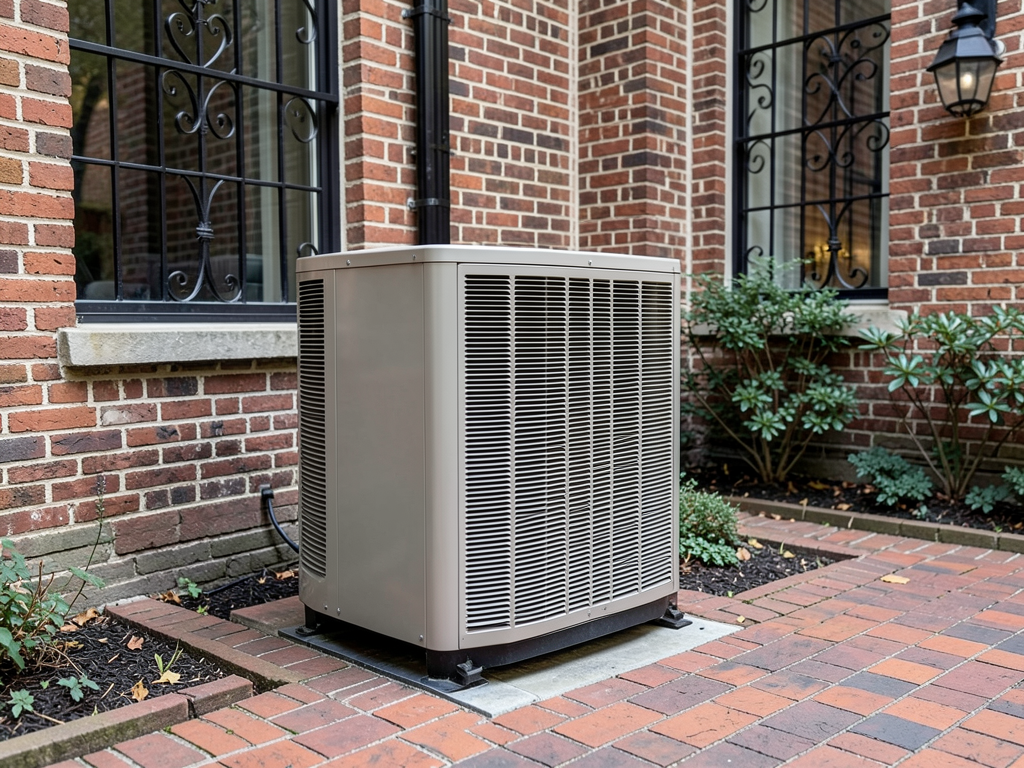
Diagram showing high-velocity duct routing through existing wall cavities in a historic shotgun house.
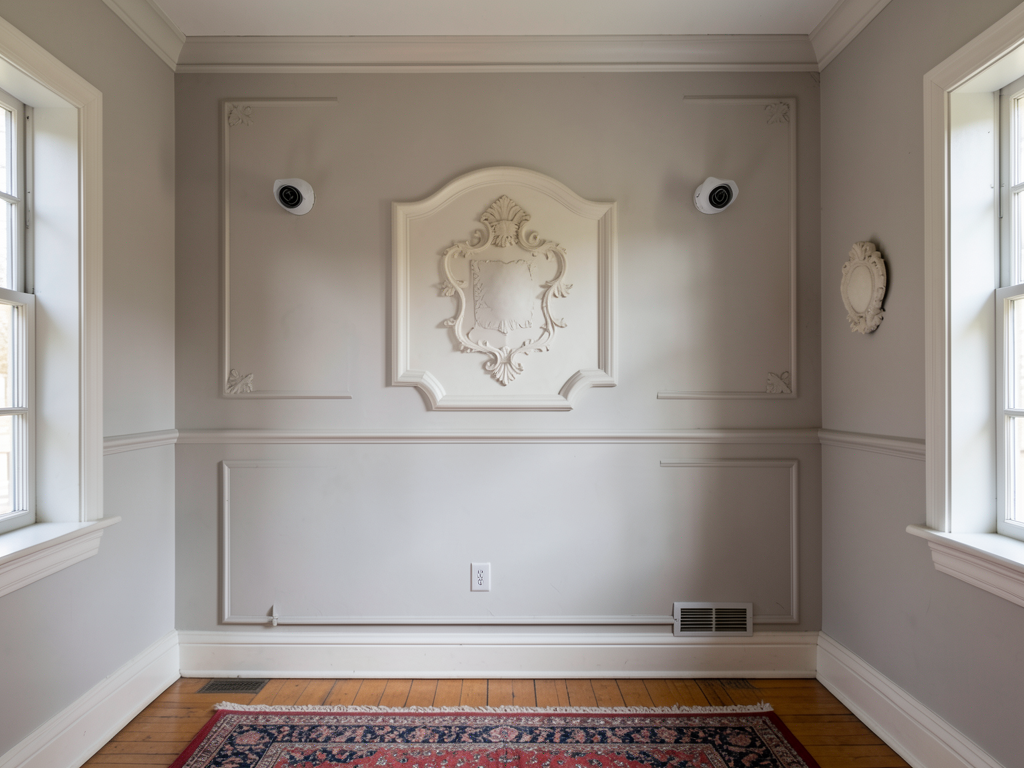
Photo of a discreetly screened condenser unit in a Garden District courtyard meeting HDLC requirements.
Before and after comparison of a historic home interior with preserved plaster details and modern high-velocity outlets. For more information, visit National Park Service Historic Preservation Standards.
{
“@context”: “https://schema.org”,
“@type”: “BlogPosting”,
“headline”: “Installing Modern AC in Garden District Historic Homes Without Ruining Your Architecture”,
“description”: “Preserve your Garden District home’s historic character while adding modern AC. Learn HDLC-compliant solutions that protect plaster walls and cypress woodwork.”,
“wordCount”: 2258,
“datePublished”: “2026-02-15T16:24:00.000Z”,
“dateModified”: “2026-02-15T16:24:00.000Z”,
“inLanguage”: “en-US”,
“mainEntityOfPage”: {
“@type”: “WebPage”,
“@id”: “https://pioneerhvacneworleans.com”
},
“publisher”: {
“@type”: “LocalBusiness”,
“name”: “Pioneer HVAC New Orleans”,
“url”: “https://pioneerhvacneworleans.com”
},
“author”: {
“@type”: “Organization”,
“name”: “Pioneer HVAC New Orleans”,
“url”: “https://pioneerhvacneworleans.com”
},
“image”: {
“@type”: “ImageObject”,
“url”: “https://pioneerhvacneworleans.com/wp-content/uploads/2026/03/installing-modern-ac-in-garden-district-historic-h-1.png”
}
}
{
“@context”: “https://schema.org”,
“@type”: “HVACBusiness”,
“name”: “Pioneer HVAC New Orleans”,
“url”: “https://pioneerhvacneworleans.com”,
“address”: {
“@type”: “PostalAddress”,
“addressLocality”: “New Orleans”
},
“areaServed”: {
“@type”: “City”,
“name”: “New Orleans”
}
}
{
“@context”: “https://schema.org”,
“@type”: “FAQPage”,
“mainEntity”: [
{
“@type”: “Question”,
“name”: “Will installing AC damage my historic plaster walls?”,
“acceptedAnswer”: {
“@type”: “Answer”,
“text”: “Modern high-velocity and ductless systems minimize wall damage through small duct sizes and strategic routing. Professional installation using specialized tools and techniques can preserve original plaster while providing reliable cooling. The key is choosing contractors experienced with historic preservation requirements.”
}
},
{
“@type”: “Question”,
“name”: “Do I need HDLC approval for HVAC installation?”,
“acceptedAnswer”: {
“@type”: “Answer”,
“text”: “Yes any exterior modifications including condenser units require HDLC review and approval. Interior work affecting historic materials also needs commission review. Your HVAC contractor should handle the permitting process and ensure all installations meet preservation guidelines.”
}
},
{
“@type”: “Question”,
“name”: “How long does installation take in a historic home?”,
“acceptedAnswer”: {
“@type”: “Answer”,
“text”: “Most high-velocity or ductless installations complete within 3-5 days. The timeline depends on your home’s specific conditions and any required structural modifications. Professional contractors provide detailed schedules and coordinate work to minimize disruption to your daily routine.”
}
},
{
“@type”: “Question”,
“name”: “Can I maintain my original radiators with new AC?”,
“acceptedAnswer”: {
“@type”: “Answer”,
“text”: “Yes modern systems can coexist with existing heating infrastructure. High-velocity systems work particularly well since they don’t require large duct chases that might interfere with radiator placement. Your contractor can design a system that preserves your home’s original heating while adding cooling capability.”
}
},
{
“@type”: “Question”,
“name”: “What maintenance do these systems require?”,
“acceptedAnswer”: {
“@type”: “Answer”,
“text”: “Annual professional service includes checking refrigerant levels cleaning coils and verifying system performance. High-velocity systems need periodic duct cleaning every 3-5 years. Mini-splits require regular filter cleaning and condensate drain inspection to prevent moisture issues.”
}
},
{
“@type”: “Question”,
“name”: “Are there tax incentives for historic home HVAC upgrades?”,
“acceptedAnswer”: {
“@type”: “Answer”,
“text”: “Federal Energy Efficient Home Improvement Credits and Louisiana state programs offer incentives for qualifying high-efficiency equipment. Historic preservation tax credits may apply to upgrades that maintain architectural integrity. Your HVAC contractor can help identify applicable programs and prepare necessary documentation.”
}
},
{
“@type”: “Question”,
“name”: “Ready to Preserve Your Garden District Home’s Comfort?”,
“acceptedAnswer”: {
“@type”: “Answer”,
“text”: “Installing modern AC in your Garden District historic home requires expertise in both preservation and climate control technology. The right system can deliver reliable comfort while protecting your home’s irreplaceable architectural features. Professional installation ensures compliance with HDLC regulations and optimal system performance.”
}
}
]
}
{
“@context”: “https://schema.org”,
“@type”: “BreadcrumbList”,
“itemListElement”: [
{
“@type”: “ListItem”,
“position”: 1,
“name”: “Home”,
“item”: “https://pioneerhvacneworleans.com”
},
{
“@type”: “ListItem”,
“position”: 2,
“name”: “Blog”,
“item”: “https://pioneerhvacneworleans.com/blog”
},
{
“@type”: “ListItem”,
“position”: 3,
“name”: “Installing Modern AC in Garden District Historic Homes Without Ruining Your Architecture”
}
]
}
{
“@context”: “https://schema.org”,
“@type”: “Service”,
“serviceType”: “HVAC”,
“provider”: {
“@type”: “LocalBusiness”,
“name”: “Pioneer HVAC New Orleans”,
“url”: “https://pioneerhvacneworleans.com”
},
“areaServed”: {
“@type”: “City”,
“name”: “New Orleans”
},
“description”: “Preserve your Garden District home’s historic character while adding modern AC. Learn HDLC-compliant solutions that protect plaster walls and cypress woodwork.”
}